
Post-Summer Property Checks for UK Landlords & Property Managers
Essential Post-Summer Property Checks for UK Landlords & Property Managers
Extreme weather is something the property industry keeps it eye on.
Usually, homeowners, property managers and social landlords push their inspection focus towards the more inclement months. Viewber has previously documented the autumn and winter issues that professionals should look out for when visiting properties. Damp, condensation, mould, broken fence panels, obstructed gutters and blocked drains? You all know the drill.
Now, the industry will have to reconsider the timing, frequency and type of property checks that take place.
The legacy of a long, hot summer
The start of September brought us the announcement we were anticipating – summer 2026 was the hottest ever on record. The provisional data reveals 33 days of temperatures above 30C (86F) and a drought declared in all of Wales and two thirds of England.
Extreme weather doesn’t have to mean biblical rain, sub-zero temperatures and gale-force winds. The trend is for our summers to be hotter and drier every year. This will have an ongoing impact on property states and living conditions.
The matter is especially pressing for residential managers, all landlords (social, student and private), and build-to-rent specialists. Reshaping your property inspection activity means tackling two areas: summer damage and thermal comfort.
Cracking up: heat- and drought-specific issues
Prolonged, dry spells bring their own issues, and damage caused by extreme weather can devalue a property. It’s a growing concern, as a new poll by More In Common showed.
Results released in August 2026 found 33% of residents were ‘concerned’ that rising risks of fire, flash floods, overheating and subsidence – driven by hotter temperatures – could negatively impact the price of their properties over time.
Extreme summer weather can lead to the following issues:
Soil that’s shrunk
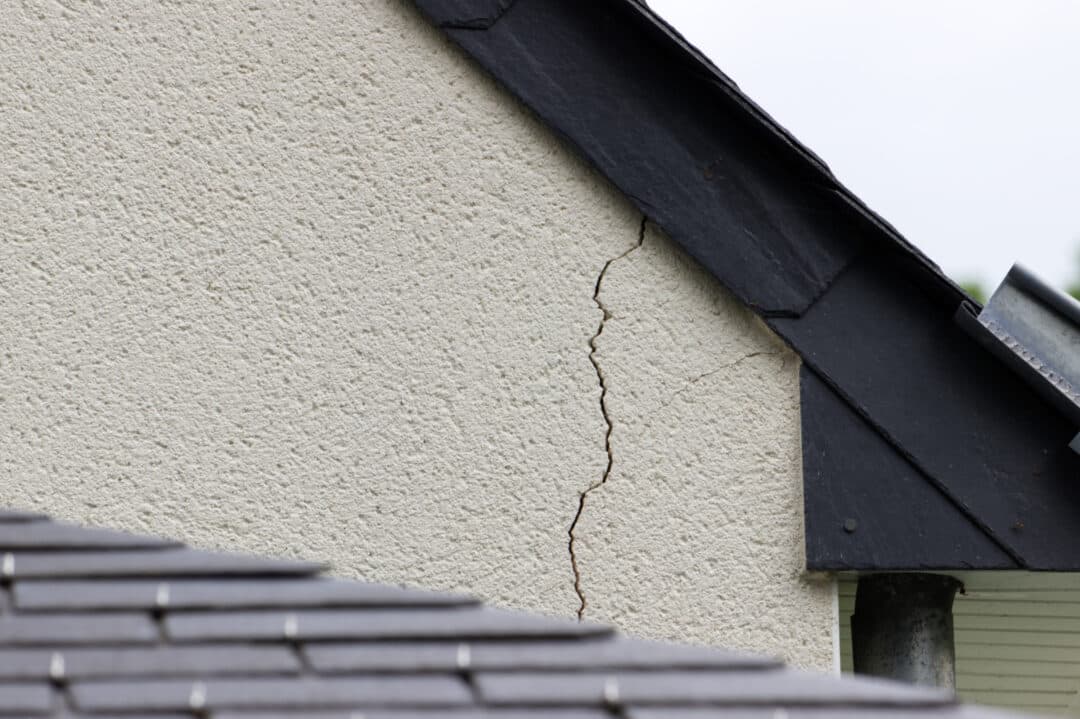
The ground beneath properties can dry, crack and shrink during hot weather. This can lead to damage to foundations and walls, and even subsidence – especially if the property is built on clay soil or has shallow foundations.
Inspections for cracks and gaps at the end of summer is advised, as the Institution of Structural Engineers says subsidence cases are expected to rise. Worryingly, the Chartered Insurance Institute predict over 1 million more homes will be at risk of subsidence by 2050. Additionally, The Law Society has identified subsidence as one of eight key physical stresses that are worsening as a result of climate change. Cracks that are more than 3mm let moisture into the fabric of the property – a default that can undermine the integrity of a building.
Dry ground also increases the risk of flooding once prolonged rain arrives. Precipitation is unable to soak into the ground and instead, floods drains.
Structural movement
Prolonged dry spells can leads to shifting structures. Doors and windows might not close properly as a result, which presents a fire and security hazard. Visiting the property can establish what movement may have occurred.
Damaged roof tiles
Roof tiles can crack, wear loose or slip in hot weather. An inspection will identify any gaps that have opened up over summer before winter’s worst weather arrives.
Warped rainwater goods
Intense sunlight can warp guttering and drain pipes. An inspection will identify what might need replacing or repairing.
Wildfires
While firmly at the extreme end of summer incidents, this year’s wildfires have damaged and destroyed properties across the UK. Focus should be on fire alarm testing, carbon monoxide alarm inspections and fire door checks in qualifying buildings.
Thermal comfort: too hot to live?
It’s not just structures that are affected by hot, dry conditions. People are too. Although this summer is over, how thermally efficient a tenanted property is will be a recurring issue for landlords.
Although there is no maximum legal temperature for domestic houses or private rentals, we do have a framework in place that measures the impact poor thermal comfort has on health.
The Housing Health and Safety Rating System (HHSRS) in England and Wales forms part of the Decent Homes Standards that social and private landlords have to abide by. The Government defines HHSRS as a tool to ‘assess a property and identify risks in the home that may impact the health, safety and wellbeing of you, your family or your visitors.’
Heat is a hazard
The HHSRS was revised on 23rd June 2026 and landlords/property managers should familiarise themselves with the changes. The number of hazard categories has reduced from 29 to 21, with excess heat considered a major hazard
Excess heat is defined as when a lack of ventilation causes a property to become overheated, airless and stifling. A tenant can complain that their property is too hot to live in. If the property manager or landlords fails to address the issue, the tenant can complain to their local council.
While the council won’t always measure the inside temperature, they will evaluate whether any internal heat creates a genuine health risk to the tenant. If there are multiple occupants, the council will base their review on how the most vulnerable person is impacted (babies, young infants, the elderly and those with chronic health conditions).
9 issues that can cause a home to overheat
1. Windows that are painted shut
2. Doors and windows that are unsafe to open
3. Lack of exterior shades, shutters and awnings
4. Poor ventilation levels
5. A south-facing aspect
6. Broken central heating controls
7. Solar gain from expanses of glass, skylights and windows
8. Poorly fitted insulation
9. Lack of heat deflection measures, such as window film
What happens if it’s too hot for people to handle
If an official decided the heat inside a property is damaging someone’s health, there are consequences and penalties. These range from advice from the local authority through to the council coming in and making immediate improvements, billing the landlord for the work.
In the most severe cases, landlords can be fined, prosecuted, made subject to rent repayment orders and banned from renting a property.
Check for summer damage now
While many of us are hoping for an Indian summer, we’re more likely to shift into wet, windier and colder weather. Now is a good time to send a Viewber to inspect a property you are responsible more.
A Viewber can use a summer-specific inspection list to establish the condition of a property. They can also note how warm a property feels inside and pass on comments from the occupant, if they’re present.
Our on-demand check and inspection services are available seven days a week, including evenings. There’s no minimum order and we have a ‘pay as you use’ policy, so you never pay more than you need. Why not try Viewber before autumn really kicks in?